
From Ashes to Emerald Shores
In the soft glow of a February morning in 2026, Elena Ramirez stepped off the plane at Augusto C. Sandino International Airport in Managua, her heart pounding with a mix of excitement and uncertainty.
6 min read
From Ashes to Emerald Shores: Nicaragua's Quiet Renaissance
In the soft glow of a February morning in 2026, Elena Ramirez stepped off the plane at Augusto C. Sandino International Airport in Managua, her heart pounding with a mix of excitement and uncertainty. The air was warm, laced with the faint scent of blooming jacaranda and distant rain. She'd booked this trip on a whim, tired of the relentless grind of her corporate job in Chicago. Whispers from friends and online forums had painted Nicaragua as a hidden paradise—affordable, adventurous, and far removed from the chaos of the world. But old stories lingered in her mind: tales of revolution, conflict, and a nation scarred by war. As her taxi sped along newly paved highways toward the city center, passing modern billboards advertising eco-resorts and coffee tours, she wondered if those shadows still loomed. Little did she know, this journey would reveal a country transformed, a beacon of resilience that might just convince her to trade her snowy winters for eternal spring.
Elena's adventure began in Managua, the bustling capital that had risen like a phoenix from the earthquakes and battles of the past. Founded in the mid-19th century, Managua had endured natural disasters and political upheavals, but in the decades following the 1979 Sandinista Revolution, it had become a symbol of renewal. The revolution, led by the Frente Sandinista de Liberación Nacional (FSLN), overthrew the long-standing Somoza dictatorship, ending decades of corruption and inequality. What followed was a civil war that lasted until 1990, claiming lives and devastating infrastructure. Yet, from those ashes, Nicaragua embarked on a path of reconstruction. By 2026, the city boasted modern amenities: gleaming shopping malls, reliable public transport, and a vibrant arts scene. Elena checked into a boutique hotel near the lakeside, where solar panels glinted in the sun—a nod to the country's push toward sustainable energy.
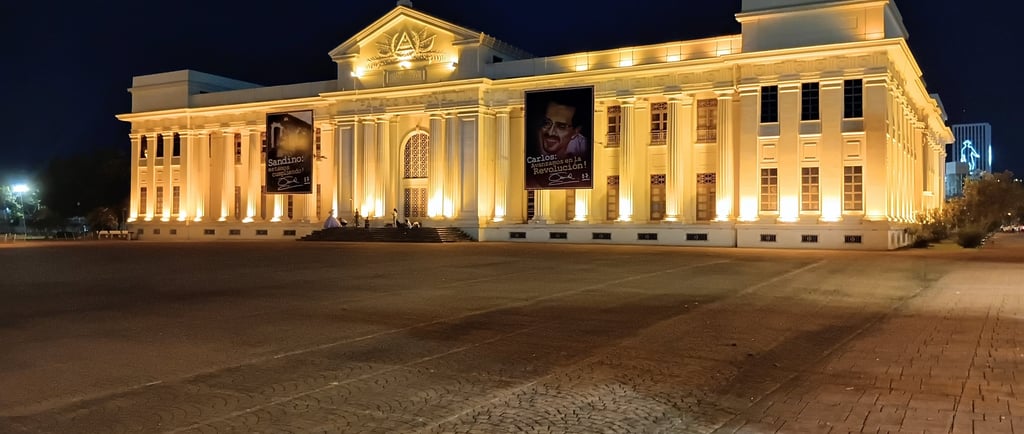
Her first day was spent exploring the lakeshore promenade, where families picnicked under palm trees and street vendors sold fresh vigorón—yucca, pork rinds, and cabbage salad wrapped in banana leaves. "This doesn't feel like a place recovering from war," she murmured to herself. Indeed, since the peace accords, Nicaragua had invested heavily in social programs. Poverty rates had plummeted from over 40% in the early 2000s to around 25% by the mid-2020s, thanks to initiatives in education, healthcare, and agriculture. Literacy rates soared post-revolution, reaching nearly 95%, and life expectancy climbed to 75 years. Elena visited the National Museum, housed in the old Palacio Nacional, where exhibits chronicled the revolution's ideals of equity and progress. A guide, an elderly man named Roberto, shared his story: "I fought in the revolution. We dreamed of a better Nicaragua, and look at us now—schools in every village, clinics for the poor. It's not perfect, but we've come far."
Eager to delve deeper, Elena headed southeast to Granada, one of Nicaragua's oldest colonial cities. The bus ride was smooth on upgraded roads, a far cry from the potholed paths of decades past. Founded in 1524, Granada had survived pirate attacks, earthquakes, and the ravages of civil strife, but today it pulsed with life. Cobblestone streets lined with pastel-colored buildings led to the central park, where horse-drawn carriages clattered by and vendors hawked handmade cigars and chocolate. Elena wandered the Mercado Municipal, bargaining for vibrant textiles and sampling cajeta, a sweet milk candy. "The colors here are alive," she thought, snapping photos of the yellow Cathedral of Granada towering against a blue sky.
Granada's revival was emblematic of Nicaragua's tourism boom. Since the Sandinista government returned to power in 2007, the sector had expanded dramatically, breaking from outdated development models to emphasize community-based eco-tourism. Boutique hotels and artisanal shops dotted the city, drawing visitors from around the world. Elena joined a boat tour on Lake Nicaragua, gliding past the Isletas de Granada—tiny islands formed by volcanic eruptions. Some were home to luxurious eco-lodges, others to local fishermen. "Tourism has brought jobs and preserved our heritage," her guide explained. Indeed, GDP growth averaged 4-5% annually in the 2010s and 2020s, fueled by exports like coffee and tourism revenue.
From Granada, Elena ventured to Masaya Volcano National Park, a short drive away. The park, Nicaragua's first national park, established in 1979, showcased the country's volcanic wonders. As she hiked to the crater's edge and peered into the glowing lava lake of Santiago Crater, she felt the earth's raw power.
"This is nature's forge," a ranger said, noting how the park's visitor center educated thousands on conservation. Nearby, the town of Masaya bustled with artisan markets, where potters and weavers sold crafts passed down through generations. Elena bought a hammock, imagining lazy afternoons in it. The area's infrastructure—paved paths, interpretive signs—reflected investments in eco-tourism, which had created sustainable jobs and protected biodiversity.
Craving more adventure, Elena caught a ferry to Isla de Ometepe, a twin-volcano island in Lake Nicaragua. The journey across the vast lake, the largest in Central America, offered views of distant shores. Ometepe, formed by Volcán Concepción and Volcán Maderas, was a UNESCO Biosphere Reserve, teeming with wildlife and ancient petroglyphs. She hiked Concepción's slopes, through cloud forests alive with howler monkeys and orchids.
At a viewpoint, the panorama unfolded: terraced farms, sparkling waters, and misty peaks. "The revolution gave us land," a local farmer told her during a coffee break. Land reforms in the 1980s redistributed estates to cooperatives, boosting agriculture and reducing inequality. Today, Ometepe's organic farms and eco-lodges attracted eco-tourists, contributing to the island's prosperity.
Staying at a family-run finca, Elena learned about sustainable practices: solar-powered hot water, composting, and community tours. She swam in the crystalline Ojo de Agua natural spring, its mineral waters refreshing after the hike. Meeting expats was easy here; at a beachside bar, she chatted with Mark, a Canadian retiree who'd moved five years ago. "Cost of living is low—$1,200 a month does it—and the pace is perfect," he said. Many expats praised Nicaragua's welcoming vibe, easy residency, and no taxes on foreign income. As per X posts, visitors raved about the kindness and low costs.
Next, Elena headed north to Matagalpa, the coffee heartland. The highlands' cool climate and rolling hills were a welcome change. Joining a cooperative tour at a shade-grown coffee farm, she picked beans and learned about the process. "Our co-op started post-revolution; now we export worldwide," Don Carlos beamed.
Nicaragua's coffee industry had diversified the economy, with mining and tourism also thriving. Poverty alleviation programs had extended electricity and water to remote areas, improving lives. In Matagalpa's town square, Elena enjoyed a concert, the music blending indigenous rhythms with Spanish guitars—a cultural fusion born of resilience.
Venturing west to León, Nicaragua's intellectual hub, Elena was captivated by its colonial architecture. The city's cathedral, a UNESCO site, featured intricate facades and rooftop views of volcanoes.
León had been a Sandinista stronghold, its murals depicting revolutionary heroes. Today, it thrived with universities, galleries, and cafes. She climbed Cerro Negro for volcano boarding, sliding down ash slopes at thrilling speeds. "This is living!" she laughed. The area's safety for tourists was notable, with low crime in key zones.
Southward to San Juan del Sur, a Pacific beach town, Elena surfed emerald waves and watched sunsets paint the sky. (Assuming ID for sunset) Expats abounded here, drawn by affordable living and community. Sarah, from Seattle, shared: "I came for vacation, stayed for life. Healthcare's free, people are kind." Nicaragua's expat scene had grown, with communities in Granada, León, and the coast offering support.
Finally, a flight to the Corn Islands sealed her love. Little Corn's dirt paths and turquoise bays felt timeless.
5 reasons you need to visit the secluded Corn Islands in Nicaragua
Diving among reefs, she spotted sharks and rays. Locals shared lobster feasts, reggae echoing. "No violence here, just peace," a resident assured. The islands exemplified Nicaragua's Caribbean flair, with tourism sustaining the economy without overwhelming the culture.
As Elena kayaked mangroves, reflecting on her trip, she tallied the transformations: from war-torn to thriving, with GDP growth, social advances, and natural beauty. Challenges like political tensions persisted, but progress prevailed. Back in Managua, she eyed real estate listings. "Why not move?" Nicaragua wasn't just recovering; it was a haven for dreamers.
If you're like Elena, seeking adventure or a new home, Nicaragua awaits. Hike volcanoes, surf waves, or build a life amid emeralds. Fifty years post-revolution, it's a story of triumph—yours to join.
© 2026. All rights reserved.


"Part of the Stuart Henderson Professional Network"